
Mold does not wait for permission. It does not need a perfect environment or a dramatic event to begin growing. All it needs is moisture, a surface, and time. Once those conditions are met, the process starts quietly and accelerates faster than most people expect.
Many property owners assume mold takes weeks or months to become a problem. In reality, growth can begin much sooner. By the time it becomes visible, it has often already spread beyond the original source.
Mold Pros Atlanta sees this pattern constantly. What starts as a small, contained issue turns into a larger problem simply because it was ignored or underestimated.
The Early Stage Most People Miss
When moisture enters a material, whether from a leak, spill, or humidity buildup, it does not immediately create visible damage. Surfaces may look normal while moisture settles into drywall, wood, or insulation.
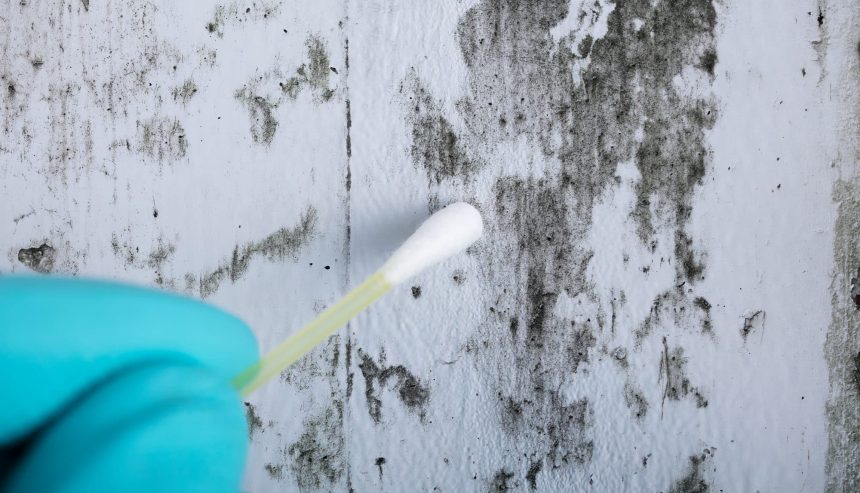
Within a short period of time, mold spores that are already present in the environment begin to activate. This stage is not visible, which is why it is often missed.
The environment may feel slightly different. The air might seem heavier, or there may be a faint odor that is easy to dismiss. These are early signals that something is changing.
Mold Pros Atlanta focuses on identifying issues during this stage, when the problem is still manageable.
Growth Accelerates Faster Than Expected
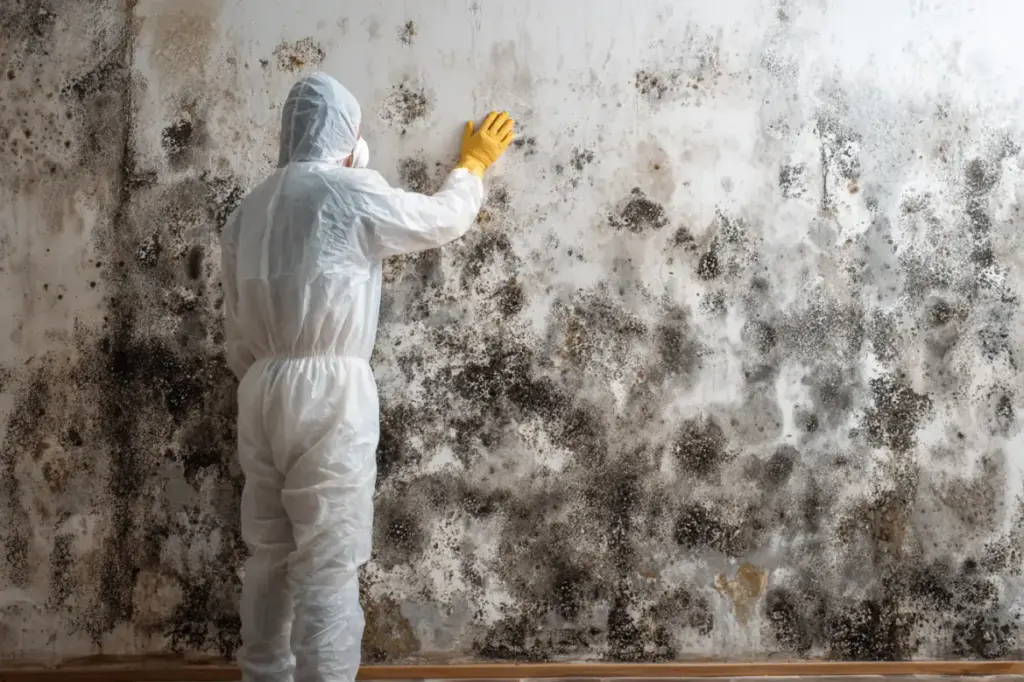
Once mold begins to grow, it does not stay contained. It expands across surfaces and into materials that provide a stable environment.
Moisture continues to feed the growth, allowing it to spread deeper and wider. Air movement can carry spores into nearby areas, creating new points of contamination.
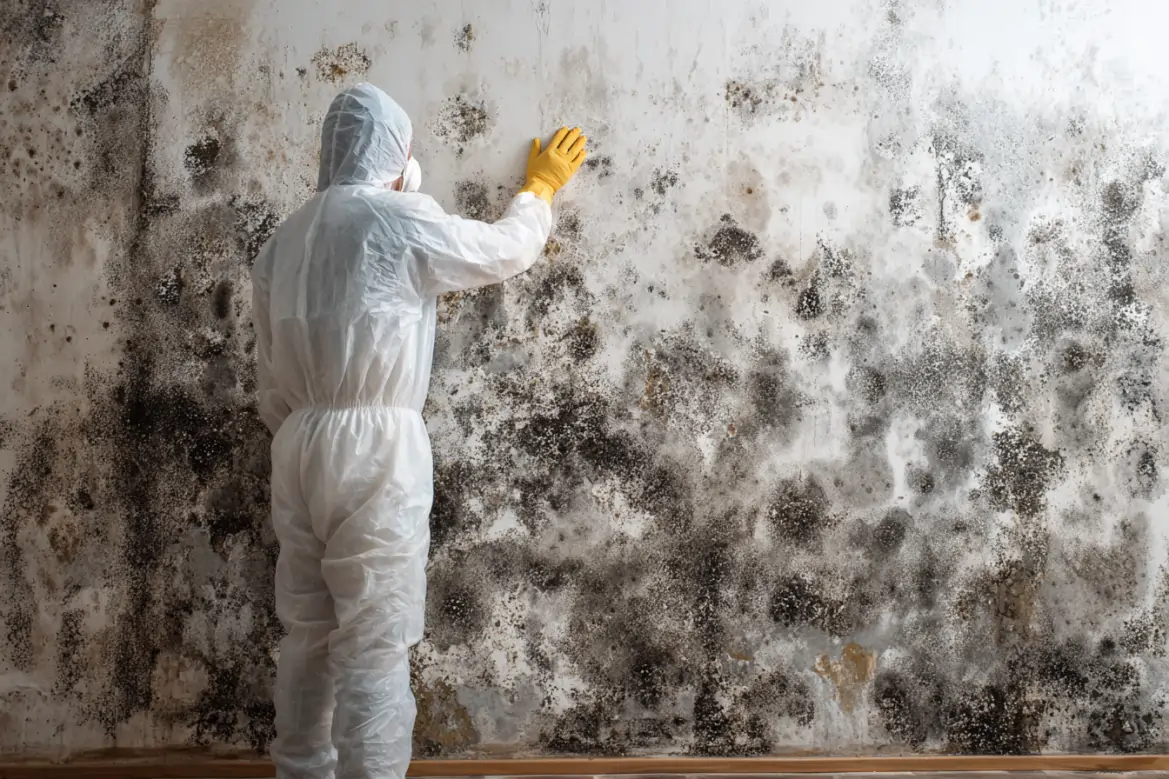
What begins in a single location can extend into adjacent walls, ceilings, or flooring. Over time, this growth becomes more difficult to control and requires more extensive removal.
Delaying action allows this process to continue without interruption.
Air Movement Spreads the Problem
Mold does not need direct contact to spread. Air movement plays a major role in how contamination travels through a property.
Heating and cooling systems, natural air flow, and even daily activity can move spores from one area to another. This means a localized issue can affect multiple spaces without obvious signs.
A small problem in one room can impact air quality throughout an entire building. This is why mold issues often feel larger than their visible source.
Mold Pros Atlanta considers air movement when evaluating a property. Understanding how spores travel helps identify both the source and the extent of the problem.
Structural Impact Over Time
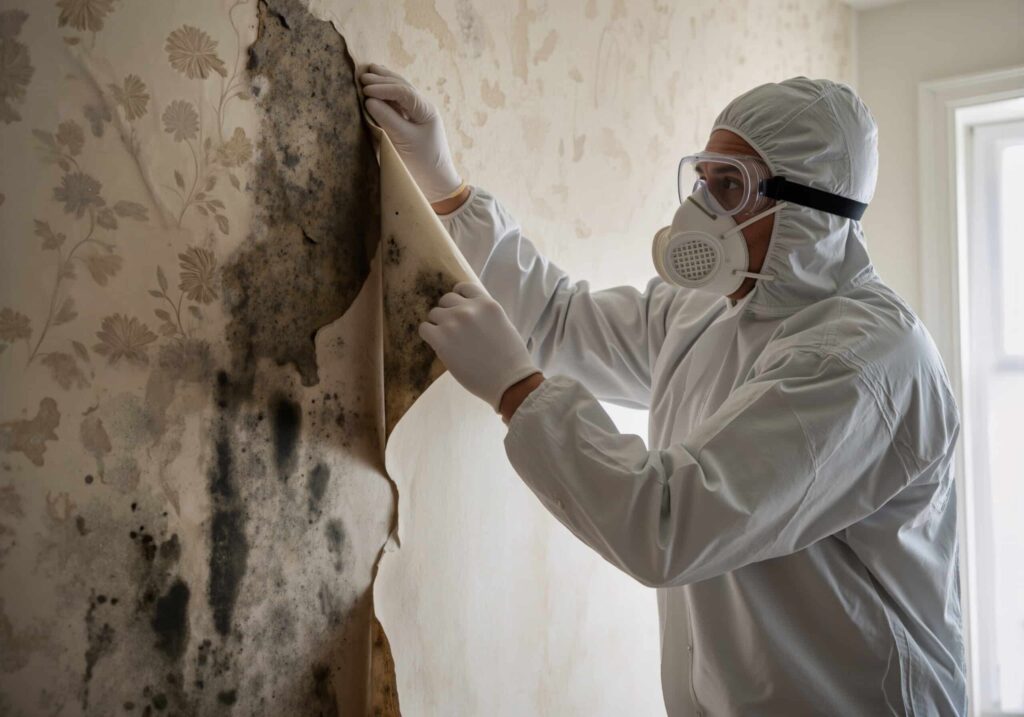
As mold spreads, it begins to affect the materials it grows on. Drywall can weaken, wood can deteriorate, and insulation can lose its effectiveness.
These changes do not happen all at once. They develop gradually, which makes them easy to overlook in the early stages.
Over time, what started as a surface issue can lead to more significant structural concerns. Repairing these areas becomes more complex and more costly.
Addressing mold early helps prevent this level of damage.
The Cost of Waiting
Delaying mold removal often feels like a way to avoid immediate expense. In reality, it usually leads to higher costs over time.
A small, contained issue may require minimal removal and targeted cleaning. As the problem spreads, more materials become affected, and the scope of work increases.
This can involve removing larger sections of drywall, flooring, or structural components. Additional time and resources are needed to restore the space.
Mold Pros Atlanta approaches each project with the goal of minimizing long term impact. Acting early is one of the most effective ways to control costs.
Why Mold Does Not Resolve on Its Own
Some problems improve over time without intervention. Mold is not one of them.
As long as moisture is present, mold will continue to grow. Even if conditions change temporarily, spores remain and can become active again when moisture returns.
Ignoring the problem does not stop it. It only allows it to develop further.
Proper removal and moisture control are required to bring the environment back to stable conditions.
The Importance of Early Containment
Containing mold early prevents it from spreading into unaffected areas. This reduces the overall scope of the problem and makes the removal process more controlled.
Once contamination spreads, containment becomes more complex. Multiple areas may need to be isolated, and the process takes longer to complete.
Mold Pros Atlanta emphasizes early containment as part of a structured approach to remediation. Limiting spread is key to achieving a successful outcome.
Recognizing When to Act
There are clear signs that mold may be developing, even if it is not visible.
Persistent odors, recent water events, and changes in indoor conditions are all indicators that should not be ignored. These signals often appear before visible growth.
Taking action at this stage allows for a more targeted response. Waiting until the problem becomes obvious reduces the number of options available.
Mold Pros Atlanta helps property owners identify these warning signs and respond appropriately.
A Preventive Mindset
Mold issues are easier to manage when they are addressed early. A preventive approach focuses on monitoring conditions, controlling moisture, and acting quickly when changes occur.
This reduces the likelihood of large scale contamination and protects the integrity of the property.
Mold Pros Atlanta works with property owners to create environments that do not support mold growth. Prevention is always more effective than repeated removal.
Final Thoughts
Mold spreads faster than most people expect because it does not rely on visible signs to develop. By the time it is seen, it has often already expanded beyond the original source.
Waiting allows the problem to grow, spread, and become more difficult to manage. Acting early limits damage, reduces cost, and leads to a more controlled solution.
Mold Pros Atlanta focuses on timely response and thorough remediation. By addressing both the growth and the conditions behind it, the process becomes more effective.
And once you understand how quickly mold can move, waiting stops feeling like an option and starts looking like a mistake.